Exploring the psychology behind why we gamble What drives the urge
Exploring the psychology behind why we gamble What drives the urge
The Allure of Gambling: Understanding the Attraction
The thrill of gambling draws countless individuals into its embrace. This attraction often stems from the excitement and unpredictability inherent in games of chance. The possibility of winning big can create a euphoric rush that many find irresistible, tapping into our natural desire for risk and adventure. In many cases, this excitement is enhanced by social interactions and communal experiences within gaming environments, where shared moments of anticipation can amplify the thrill. For those interested in a unique gaming experience, the chicken road game offers an exciting way to participate in this world.

Moreover, the brain’s reward system plays a significant role in the allure of gambling. Activities that evoke strong emotional responses release dopamine, the neurotransmitter associated with pleasure. When a player wins, even a small amount, it reinforces the behavior, creating a cycle that keeps them coming back for more. This psychological mechanism can lead to a repeated engagement with gambling, blurring the lines between recreational fun and potential addiction.
The Role of Cognitive Biases in Gambling Behavior
Cognitive biases significantly influence our decision-making processes, especially in the realm of gambling. Many players fall victim to the illusion of control, believing they can influence the outcome of games that are primarily based on chance. This skewed perception can lead individuals to take greater risks, convinced that they possess unique skills or strategies that will secure their success. Unfortunately, this can culminate in larger losses and a misguided commitment to continue gambling.
Additionally, the gambler’s fallacy—a common cognitive bias—can mislead players into thinking that past outcomes affect future results. For example, someone might believe that a slot machine is “due” for a payout after a series of losses. Such misconceptions not only fuel ongoing gambling behavior but can also hinder individuals from recognizing when it’s time to stop, further perpetuating cycles of risk-taking.
The Emotional Triggers Behind Gambling
Emotional states play a crucial role in gambling behavior. Many individuals turn to gambling as a way to escape negative feelings or cope with stress. The excitement of placing bets and the emotional highs associated with wins can serve as temporary relief from life’s challenges. Unfortunately, this reliance on gambling as a coping mechanism can lead to a cycle of dependency, where individuals continuously seek out gambling to soothe their emotional distress.
Conversely, positive emotions can also drive gambling behavior. Celebrating milestones or achievements often prompts individuals to indulge in gambling as a form of reward. This pattern can create a skewed relationship with gambling, associating it with both relief from negative emotions and celebration during positive moments, making it harder to break free from its grip.
The Impact of Environment and Social Influences
Environmental factors and social circles significantly impact gambling behavior. Being surrounded by friends or family who engage in gambling can create a sense of normalization, making individuals more likely to partake themselves. Moreover, the availability of gambling venues and online platforms can enhance accessibility, further encouraging participation. This social aspect can make gambling appear as an acceptable pastime, often overshadowing the potential risks associated with excessive play.
Furthermore, marketing tactics and advertisements often glamorize gambling, portraying it as a thrilling and glamorous activity. These messages can contribute to the perception that gambling is a harmless and enjoyable way to spend time, which may lead individuals to overlook the potential for addiction. Understanding these social influences is crucial for recognizing the broader context in which gambling behaviors develop.
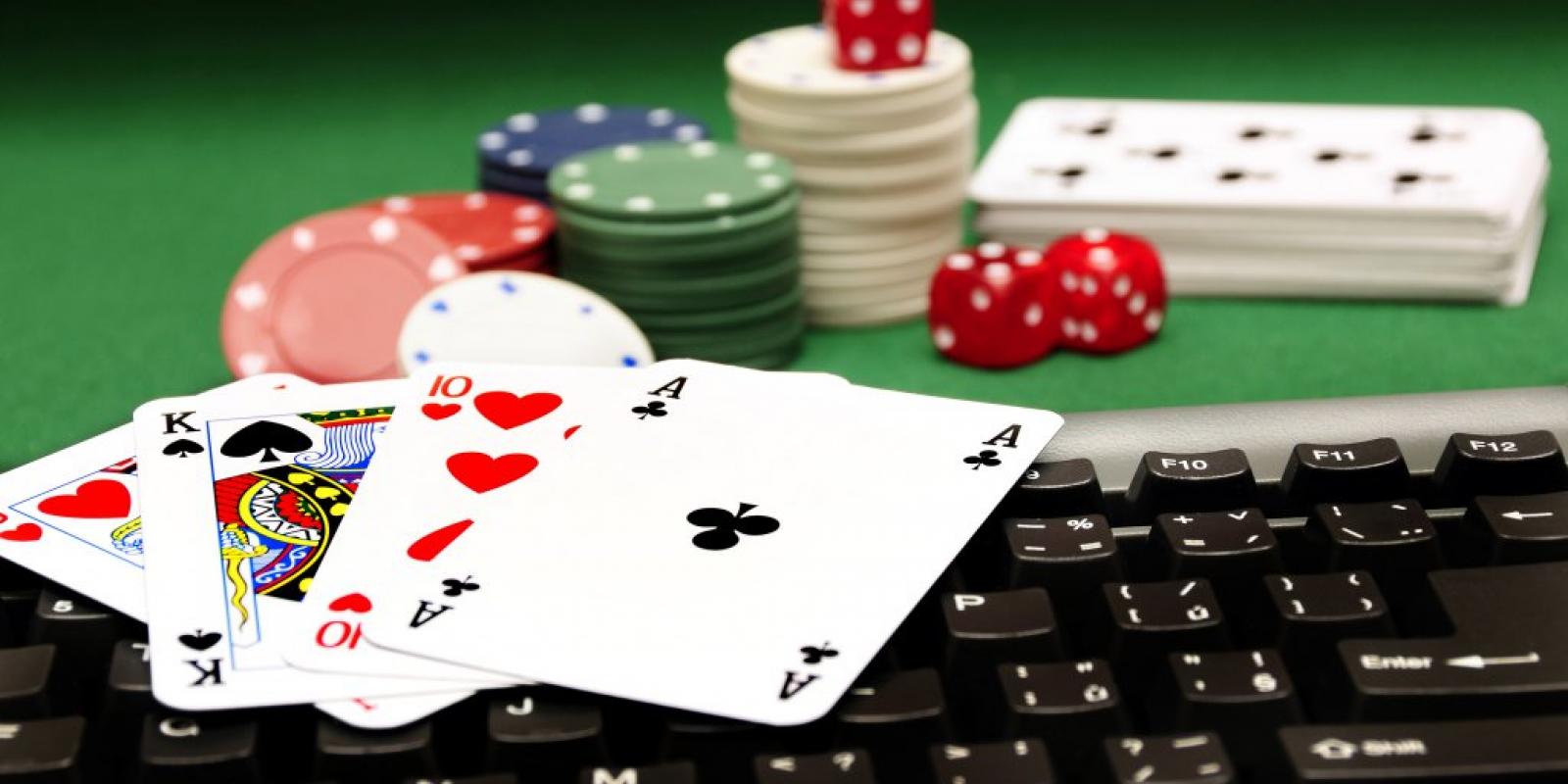
Enjoying the Chicken Road Game Experience
At India, players can experience the excitement of gambling in a fun and engaging manner. This innovative game captures the thrill of betting on a whimsical chicken crossing the road, allowing participants to enjoy the rush of potential winnings in a safe environment. With user-friendly payment options and a demo mode, players can explore strategies without financial pressure. Engaging with the chicken road game can provide both entertainment and insight into the psychological aspects of gambling.
As you delve into this vibrant gaming community, it’s essential to remain aware of the psychological dynamics at play in gambling. The chicken road game not only offers entertainment but also serves as a platform for understanding the underlying urges that drive many to gamble. Join the fun and navigate your gaming journey with a conscious perspective on your gaming habits.