Understanding the psychology of risk How emotions influence gambling decisions
Understanding the psychology of risk How emotions influence gambling decisions
The Nature of Risk in Gambling
Gambling inherently involves risk, as it requires individuals to wager money on uncertain outcomes. The thrill of potential reward often attracts players, yet it is essential to recognize that this same uncertainty can lead to emotional turmoil. Many find that understanding the psychology behind risk can help gamblers make more informed decisions, particularly when considering options like bitcoin casino offerings, rather than succumbing to impulsive behavior driven by emotions.
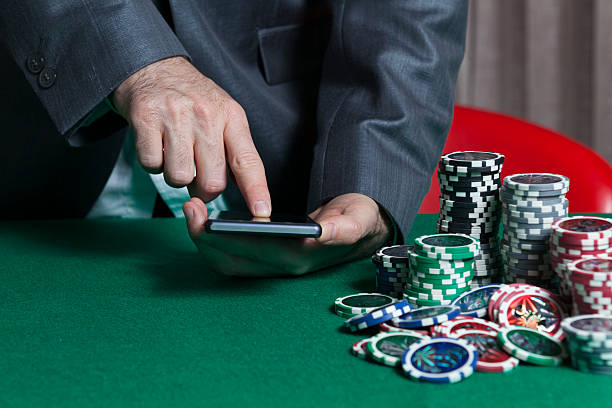
Risk perception varies greatly among individuals, influenced by personal experiences, beliefs, and emotional states. For some, the excitement of gambling may overshadow the potential losses, leading them to take greater risks. Acknowledging these factors can be crucial in developing a healthier approach to gambling.
The Role of Emotions in Decision-Making
Emotions play a significant role in shaping decision-making processes, particularly in high-stakes environments like casinos. Players often experience a rush of adrenaline, which can heighten feelings of excitement and lead to impulsive betting. This emotional high can cloud judgment, causing individuals to underestimate the likelihood of losing.
Moreover, emotions such as anxiety and stress can also impact gambling decisions. When players face losses, they may chase their losses in an attempt to regain what they have lost, driven by the hope that their luck will change. This cycle can lead to increasingly risky behavior, making it essential for gamblers to recognize how their emotions can influence their decisions.
Influence of Cognitive Biases
Cognitive biases significantly affect how individuals perceive risk and make decisions in gambling contexts. For instance, the illusion of control can lead gamblers to believe they have more influence over the outcome than they actually do. This belief can result in more aggressive betting patterns, as individuals feel empowered by their perceived control.
Similarly, the gambler’s fallacy—a belief that past events influence future outcomes—can skew decision-making. Players may think that after a series of losses, a win is “due,” prompting them to continue betting despite the statistical reality. Recognizing these cognitive biases is crucial for developing a more rational approach to gambling.
The Impact of Environment on Gambling Behavior
The environment in which gambling takes place can significantly influence a player’s emotional state and decision-making. Brick-and-mortar casinos are designed to create a stimulating atmosphere, filled with lights, sounds, and social interactions that heighten excitement. This sensory overload can amplify emotional responses, leading to impulsive decisions.
Conversely, a calmer setting may allow for more rational thinking and less emotional escalation. Understanding the impact of one’s environment can help players make more deliberate choices, promoting responsible gambling practices. By being aware of how surroundings can manipulate emotions, individuals can take steps to mitigate their influence on decision-making.

Conclusion and Insights from Syntouch Inc.
Understanding the psychology of risk and the emotional influences behind gambling decisions is essential for both players and industry professionals. By recognizing the complex interplay of emotions, cognitive biases, and environmental factors, individuals can foster healthier gambling habits. This knowledge serves as a foundation for making more informed choices and minimizing detrimental outcomes.
At Syntouch Inc., we are committed to enhancing user experiences and operational efficiency within various industries, including gaming. Our innovative technology solutions aim to improve interactions and create environments conducive to responsible decision-making. Stay tuned for more insights and tools that can aid in navigating the complexities of gambling psychology.